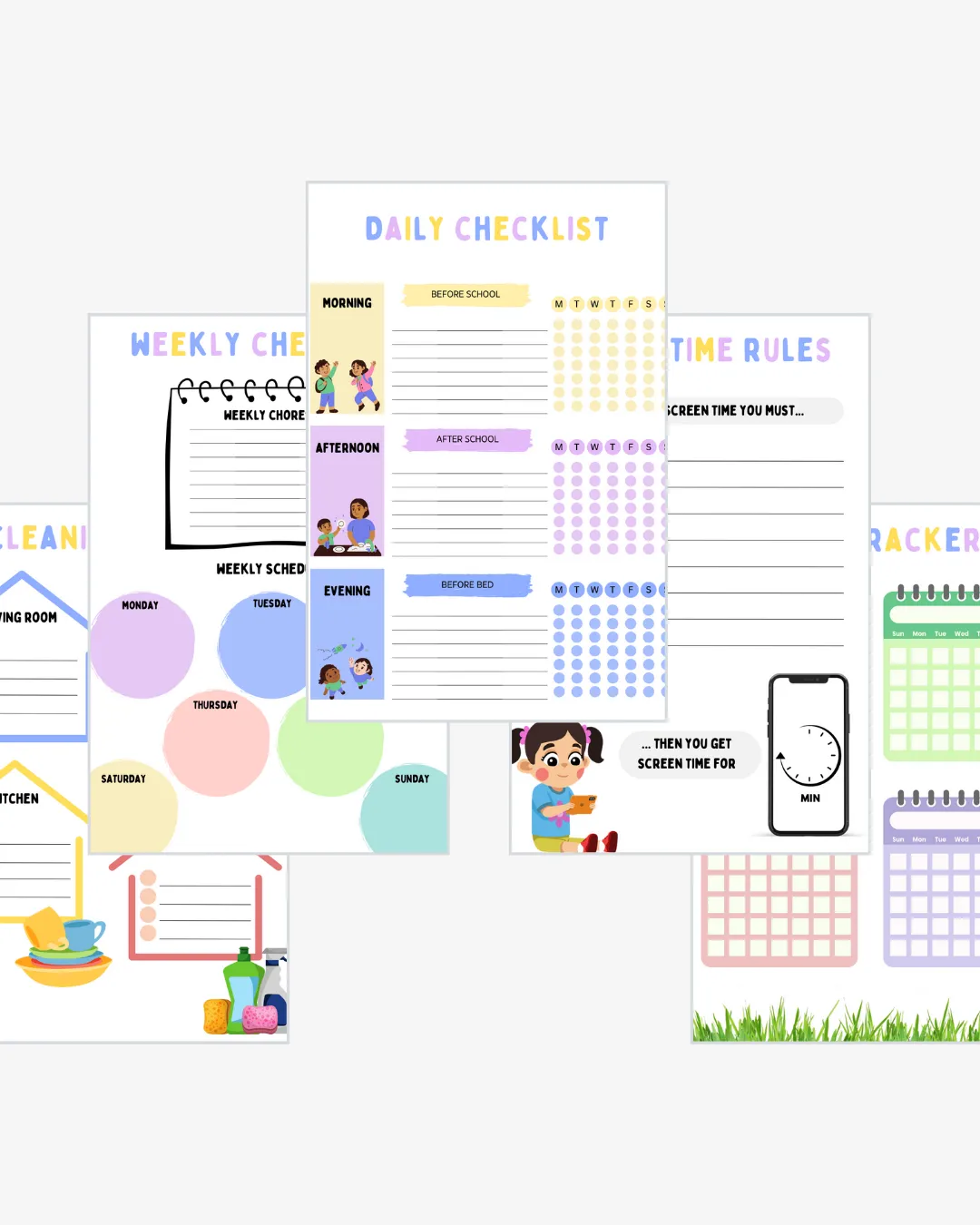
Does your morning routine feel like a tornado hit your house? Are you constantly searching for lost homework, clean clothes, or that permission slip that’s due today? You’re not alone. Most busy families struggle with organization, but the good news is that simple family organization strategies can transform your household.
Transform your chaotic household into an organized family haven with these proven strategies that require minimal time but deliver maximum results.
Why family organization matters more than ever
In today’s fast-paced world, families are busier than ever. Between work, school, extracurricular activities, and social commitments, keeping everything organized can feel impossible. However, families who implement effective organization strategies report dramatically less stress and better relationships.
Research shows that children who grow up in organized households develop better time management skills, increased independence, and improved academic performance. When everything has a place and everyone knows the routine, family life runs much more smoothly.
1. Create a powerful family command center
Designate one central location where all important family information lives. This is one of the most effective strategies for busy parents. Your command center could be a wall in your kitchen, a bulletin board in the hallway, or even a section of your refrigerator.
Essential elements to include:
- Weekly calendar with everyone’s activities
- School papers and permission slips
- Emergency contact information
- Daily checklists for each child
- Meal planning information
2. Implement the game-changing “one touch rule”
When handling papers, mail, or items, deal with them immediately rather than setting them aside. This simple strategy prevents clutter buildup and saves countless hours searching for misplaced items.
How to apply it:
- File important documents right away
- Throw away junk mail immediately
- Put items back where they belong after use
- Handle school papers when children arrive home
3. Establish consistent morning and evening routines
Consistent routines eliminate decision fatigue and help everyone know what’s expected. This structure creates predictability that children love and parents appreciate.
An effective morning routine:
- Get dressed
- Eat breakfast
- Brush teeth
- Pack backpack
- Gather lunch and water bottle
A productive evening routine:
- Unpack backpack
- Complete homework
- Prepare clothes for tomorrow
- Pack lunch
- Tidy up personal spaces
4. Use visual organization systems that work
Children respond exceptionally well to visual cues. These systems help everyone understand where things belong and make cleanup faster.
Powerful visual systems include:
- Color-coded folders for each child’s school papers
- Picture labels on storage bins for younger children
- Visual schedules showing daily routines
- Charts tracking chores and responsibilities
5. Designate specific “homes” for everything
Every item in your house should have a designated place. When everyone knows where things belong, cleanup becomes much faster and easier. This is one of the most important foundations to get right.
Create specific homes for:
- Backpacks and school supplies
- Sports equipment
- Art supplies
- Electronics and chargers
- Important documents
6. Implement the amazing 15-minute family pickup
Set a timer for 15 minutes each evening and have the entire family work together to tidy up common areas. Put on energetic music and make it fun. This prevents messes from building up and teaches children responsibility for shared spaces.
Benefits of this strategy:
- Prevents overwhelming cleanup sessions
- Teaches teamwork and responsibility
- Creates positive family bonding time
- Maintains organized living spaces daily
7. Create individual responsibility charts
Give each child age-appropriate tasks and track their completion with visual charts. This builds independence and ensures household tasks are shared fairly. Rotate responsibilities weekly to prevent boredom and teach new skills.
Age-appropriate responsibilities:
- Ages 3–5: Put toys away, feed pets, simple sorting
- Ages 6–8: Make bed, clear table, organize backpack
- Ages 9–12: Load dishwasher, fold laundry, vacuum rooms
- Ages 13+: Meal preparation, deep cleaning tasks, family scheduling
8. Plan strategic weekly family meetings
Spend 15 minutes each week discussing the upcoming schedule, addressing any challenges, and celebrating successes. This keeps everyone informed and provides an opportunity to adjust systems that aren’t working.
A simple weekly agenda:
- Review the upcoming week’s activities
- Discuss any schedule conflicts
- Address organizational challenges
- Celebrate completed goals
- Adjust systems as needed
9. Use technology wisely
While digital tools can be helpful, don’t rely on them exclusively. The most successful approach combines apps and calendars with physical organizational tools that children can see and interact with daily.
Effective technology integration:
- Shared family calendar apps
- Photo inventory of important documents
- Digital meal planning tools
- Online grocery ordering systems
10. Start small and build gradually
Don’t try to implement every strategy at once. Choose one or two systems to start with, give your family time to adjust comfortably, then gradually add more as the new habits become routine.
A realistic timeline:
- Weeks 1–2: Choose one primary strategy
- Weeks 3–4: Master the first system
- Weeks 5–6: Add a second organizational element
- Weeks 7–8: Refine and adjust both systems
- Ongoing: Gradually introduce additional strategies
Making these strategies stick
The key to successful family organization is consistency and patience. It takes time for new habits to form, and there will be setbacks along the way. The important thing is to keep working toward your goals and adjust systems as needed.
Remember that organization looks different for every family. What works for one household might not work for another, so be willing to experiment and find what best fits your family’s unique needs and lifestyle.
Tips for long-term success:
- Start with systems that address your biggest pain points
- Involve all family members in planning and implementation
- Celebrate small victories and progress milestones
- Be flexible and willing to modify strategies
- Focus on progress, not perfection
Getting started today
Choose one strategy from this list and implement it this week. Start small, be consistent, and celebrate small victories along the way. Organization is a skill that improves with practice, and your future self will thank you for starting today.
The most successful families don’t become organized overnight — they implement proven strategies gradually and consistently. Even small changes can create significant improvements in your daily family life.